
Black Women and the Menopause Journey: Understanding the Differences
Black women often experience menopause earlier, for longer and with more intense symptoms. Dr Itunu Johnson explains why these differences exist and how to access care that truly fits.
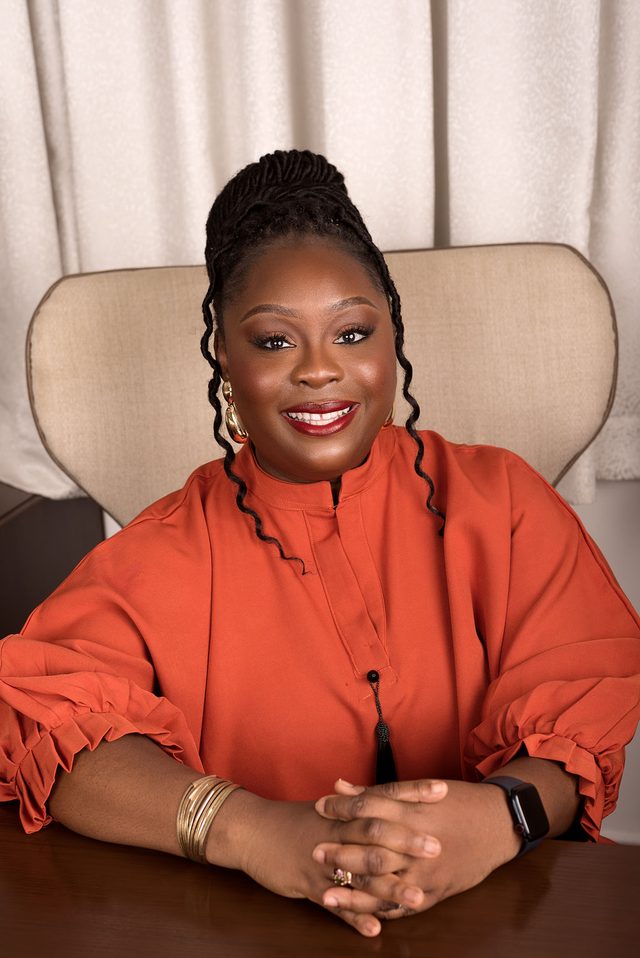
Dr Itunu Johnson
MBBS BSc MRCP MRCGP DFSRH DRCOG

Menopause is a universal transition, yet it is not experienced equally. In my practice I see time and again that Black women often navigate this stage earlier, for longer and with more intense symptoms than their White peers, frequently while carrying a heavier load of stress and less consistent access to informed care. Understanding these differences is the first step towards care that genuinely fits.
The disparities Black women face
The Study of Women’s Health Across the Nation (SWAN), one of the largest longitudinal studies of the menopause transition, found that Black women reach menopause at an average age of 49.3 years, compared with 51 years for White women. They also tend to experience symptoms such as hot flushes for far longer, on average around 10 years rather than 6.5 years, and are more likely to experience premature menopause before the age of 40.
These patterns are not simply biological. They reflect the cumulative weight of chronic stress, structural inequality, demanding work and home environments, and healthcare that has not always listened closely enough to Black women. Naming these factors matters, because it changes how we approach care.
Symptoms that are often more intense
Symptoms vary from person to person, but Black women frequently report that theirs are more severe and longer lasting. Commonly described experiences include:
- Hot flushes and night sweats that are more frequent or intense
- Vaginal dryness and discomfort during sex
- Sleep disturbance and daytime fatigue
- Mood changes, low mood and irritability
- Brain fog and difficulty concentrating
- Weight changes and a slower metabolism
- Heavier or more erratic bleeding, sometimes linked to fibroids
Perimenopause and menopause: what is the difference?
Perimenopause is the transitional phase leading up to menopause, often beginning in the forties, when periods become irregular and symptoms start to appear. Menopause itself is confirmed after twelve consecutive months without a period. Some symptoms ease once periods stop, while others, such as vaginal dryness, can persist and are very treatable.
Longer-term health considerations
The fall in oestrogen at menopause also has effects beyond symptoms. It is associated with a higher risk of cardiovascular disease and osteoporosis, and with genitourinary symptoms such as recurrent urinary infections and bladder changes. For Black women, a higher prevalence of fibroids can also mean heavier bleeding and, at times, anaemia. Regular review and preventive care matter here, which is one reason I encourage a proactive, whole-health approach.
Steps towards a healthier transition
- Move regularly: aim for 30 to 45 minutes of activity most days, including strength and flexibility work
- Protect your mental load: share responsibilities at home and work, and let your support network understand what you are going through
- Prioritise rest and self-care, and build a community around you
- Consider stopping smoking and moderating alcohol and caffeine, which can worsen hot flushes
- Eat well and discuss vitamin D and calcium with your doctor if appropriate
Treatment options
There is no single right answer, and the best plan is always individual. Hormone replacement therapy (HRT) is one of the most effective treatments for symptoms such as hot flushes, mood changes and reduced libido, and modern regimes are safer than many women fear. If you are weighing this up, my myth-busting guide to HRT sets out the evidence clearly. For those who cannot or prefer not to use HRT, there are effective non-hormonal alternatives, including lifestyle approaches, vaginal oestrogen for local symptoms and certain non-hormonal medicines.
“Black women deserve care that recognises their history, listens to their symptoms and offers real choices. When we start from that place, menopause becomes something we manage with confidence rather than endure in silence.”
Dr Itunu Johnson
If your symptoms are affecting your quality of life, you do not have to simply put up with them. You can book a menopause consultation to discuss a plan built around your health, history and preferences, or read more about my menopause care.
Medically reviewed by Dr Itunu Johnson, MBBS BSc MRCP MRCGP DFSRH DRCOG.
References & further reading
- Study of Women’s Health Across the Nation (SWAN)
- British Menopause Society
Ready to speak to an expert?
Personalised, evidence-based care from Dr Itunu Johnson.
Related Articles

Hormone Replacement Therapy: Myths, Facts and Treatment Options
HRT is one of the most misunderstood treatments in women’s health. Dr Itunu Johnson separates the myths from the evidence and explains the modern options available.

PCOS: Symptoms, Diagnosis and Treatment Options
Polycystic ovary syndrome affects up to 1 in 10 women. Dr Itunu Johnson explains how PCOS is diagnosed, its effect on periods, fertility and metabolic health, and how it can be managed well.

Alternatives to HRT for Menopause Symptoms
HRT is not right for everyone. Dr Itunu Johnson reviews the evidence-based non-hormonal options for managing hot flushes, mood, vaginal dryness and bone health.