
Hormone Replacement Therapy: Myths, Facts and Treatment Options
HRT is one of the most misunderstood treatments in women’s health. Dr Itunu Johnson separates the myths from the evidence and explains the modern options available.

Dr Itunu Johnson
MBBS BSc MRCP MRCGP DFSRH DRCOG
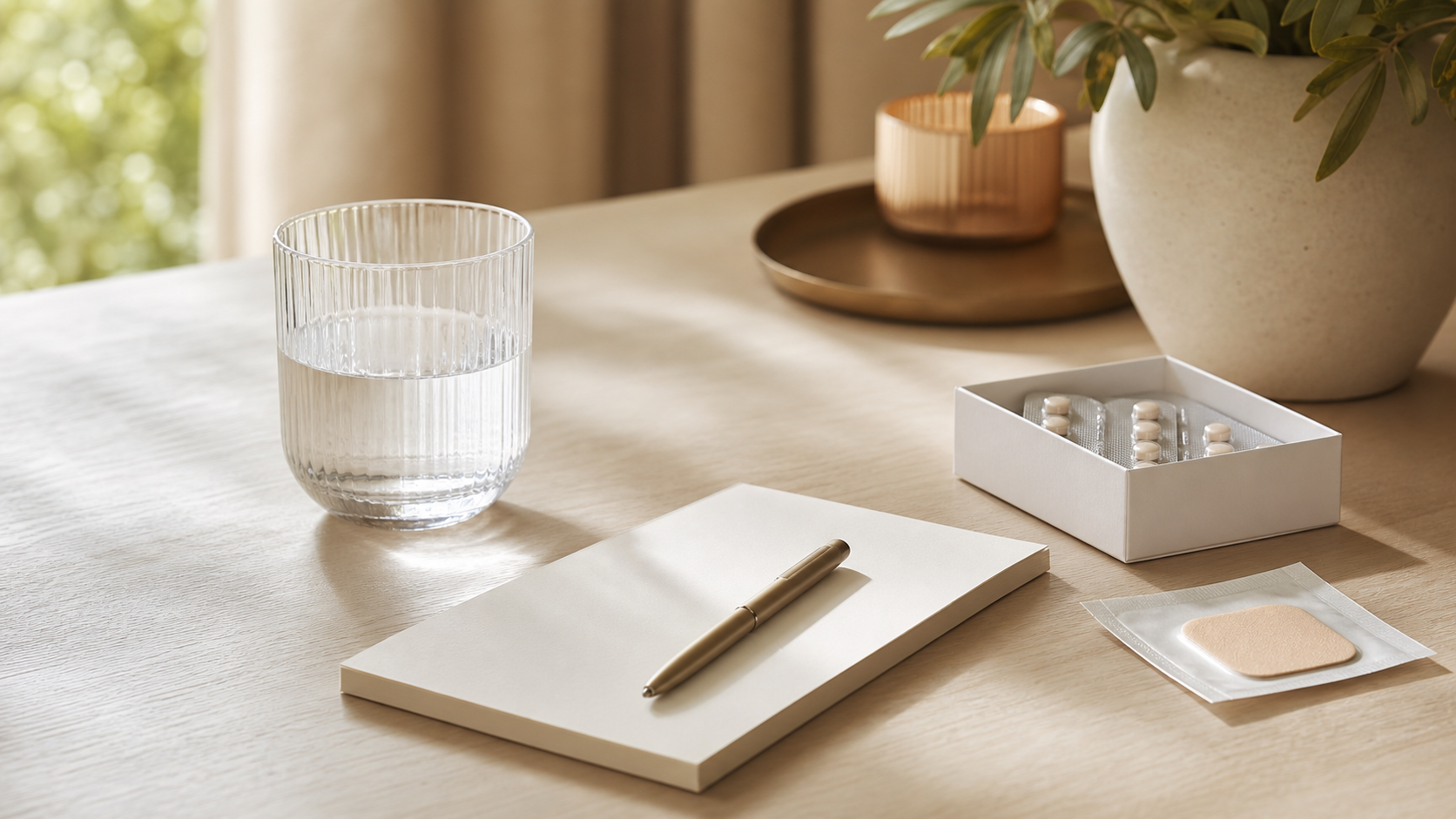
Few treatments in women’s health attract as much fear and misinformation as hormone replacement therapy. Some women are reassured by it, others are frightened away by outdated headlines. As a GP and menopause specialist, my aim here is simple: to set out what HRT actually is, and to weigh the myths against the evidence so you can make an informed decision.
What is HRT?
HRT replaces the hormones that decline around menopause, and it is the most effective treatment for symptoms such as hot flushes, night sweats, disturbed sleep, brain fog, mood changes, anxiety and vaginal dryness. It is important to say that HRT is one part of the picture. A heavy mental load, poor sleep, nutrition, past trauma and pressures at home or work all shape how menopause feels, and a good plan addresses these alongside hormones.
The main biological driver of symptoms is oestrogen deficiency, so HRT is primarily oestrogen replacement. Modern regimes use estradiol, a body-identical form of oestrogen that is biochemically the same as the oestrogen your body makes. It comes as tablets, patches, gels and sprays.
Systemic and vaginal HRT
Systemic HRT treats the whole body and can be taken orally or through the skin. Transdermal routes (patches, gels and sprays) are generally considered lower risk than tablets because they bypass the liver, which reduces the risk of blood clots. Vaginal oestrogen is different: it treats local genitourinary symptoms such as dryness and urinary discomfort, and because very little is absorbed into the bloodstream it is considered very low risk and can be used long term.
Women who still have a womb also need progesterone to protect the womb lining. Options include the Mirena intrauterine system, which also helps with heavy bleeding and provides contraception, and body-identical micronised progesterone (Utrogestan), which is often well tolerated and can help with sleep. Testosterone is not routinely prescribed but can be added to help with low libido in some women.
Who should take extra care with HRT?
Some situations mean HRT needs careful specialist discussion, including a current or past history of breast or other hormone-related cancers, previous blood clots or clotting disorders, a history of heart attack or stroke, significant liver disease, or migraine with aura. Even then, transdermal oestrogen or vaginal oestrogen can sometimes be appropriate after a thorough conversation about risks and benefits, ideally with a clinician who has a special interest in menopause.
Myth: HRT causes breast and ovarian cancer
This is the single biggest fear I hear. Oestrogen-only HRT is associated with little or no change in breast cancer risk. Combined HRT carries a small increase, in the region of an extra 4 cases per 1,000 women, which is smaller than the increase associated with being overweight, smoking or drinking more than the recommended amount of alcohol. The risk returns towards baseline after stopping. The increase in ovarian cancer risk is smaller still.
Myth: natural therapies are always safer and better
HRT is the most effective treatment for menopausal symptoms, and unlike many natural products it is regulated and rigorously tested. The British Menopause Society does not support unregulated compounded bioidentical products. Some women do find complementary approaches helpful, which I cover in my guide to alternatives to HRT, but "natural" does not automatically mean safe or proven.
Myth: HRT makes you gain weight
There is no convincing evidence that HRT causes weight gain. Weight tends to change around midlife for reasons linked to age, activity, muscle loss and menopause itself. Bloating or fluid retention can occasionally be mistaken for weight gain. Regular activity and good nutrition remain the foundations here.
Myth: HRT causes heart disease
When started within about 10 years of menopause, HRT does not increase heart disease risk and systemic oestrogen may be protective. This is sometimes called the "window of opportunity". Starting many years after menopause, in the sixties or seventies, may slightly raise the risk, so decisions at that stage need a careful, individual discussion and usually a low transdermal dose.
Myth: HRT causes dangerous blood clots
Oestrogen through the skin (patches, gels, sprays) carries no significant increase in clot risk. Oral HRT carries a small increase, higher in women with other risk factors such as obesity or a personal history of clots. For most women, fewer than 2 clots per 1,000 would be expected over around seven years of use, and choosing the transdermal route lowers this further.
Myth: it is too late, or too early, to start
HRT can help at any age when symptoms are present, and the protective benefits for bone and heart health are greatest when it is started in perimenopause or soon after menopause. Women with early or surgical menopause are strongly advised to use HRT at least until the average age of natural menopause, around 51, because of the health risks of early oestrogen deficiency. There is no fixed age to stop.
Myth: HRT is not as good as calcium for bones
The oestrogen in HRT is very effective at protecting bone density and reducing fractures. A balanced diet with adequate calcium and vitamin D matters, but supplements alone do not offer the same fracture protection as restoring oestrogen.
“For most women the benefits of HRT clearly outweigh the risks. The goal is not to talk everyone into it or out of it, but to make the decision together, based on your symptoms, your history and the evidence.”
Dr Itunu Johnson
If you are considering HRT or have been told you cannot take it, it is worth a proper conversation. You can book a menopause consultation or read more about my menopause care. If HRT is not right for you, my guide to alternatives to HRT explains the other options.
Medically reviewed by Dr Itunu Johnson, MBBS BSc MRCP MRCGP DFSRH DRCOG.
References & further reading
Ready to speak to an expert?
Personalised, evidence-based care from Dr Itunu Johnson.
Related Articles

Alternatives to HRT for Menopause Symptoms
HRT is not right for everyone. Dr Itunu Johnson reviews the evidence-based non-hormonal options for managing hot flushes, mood, vaginal dryness and bone health.

Genitourinary Syndrome of Menopause (GSM): The Symptoms No One Talks About
Vaginal dryness, discomfort during sex and bladder changes after menopause are common, under-discussed and very treatable. Dr Itunu Johnson explains GSM and the options that can restore comfort.

Understanding Perimenopause: Symptoms, Stages and When to See Your GP
Perimenopause can begin years before your last period. Dr Itunu Johnson explains the stages, the symptoms to look out for, and when it is time to see your GP.