
Period Problems, PMS and When to See a GP
From painful and irregular periods to heavy bleeding and PMS, Dr Itunu Johnson explains what is normal, what is not, and when your symptoms deserve a proper medical review.
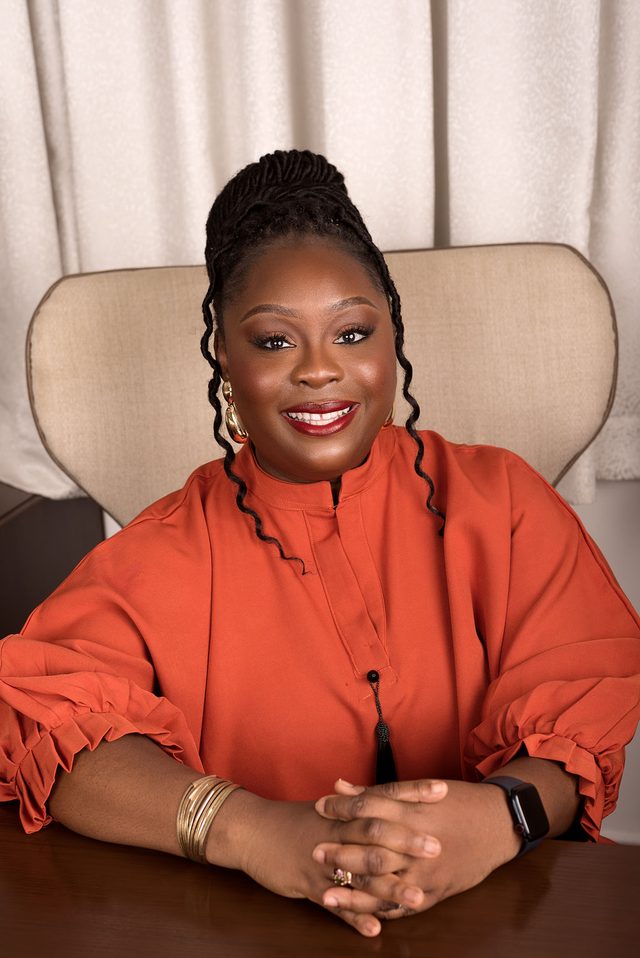
Dr Itunu Johnson
MBBS BSc MRCP MRCGP DFSRH DRCOG

A regular cycle is one of the clearest signs that your body is working as it should. Most women have periods every 21 to 35 days, but not everyone runs like clockwork, and changes in your cycle can sometimes point to an underlying issue. Painful, irregular or heavy periods are not simply something to put up with. They can affect your energy, your mood, your fertility and your quality of life. This guide brings together the period problems worth checking and the facts about premenstrual syndrome, so you know what is normal, what is not, and when to seek help.
Painful periods (dysmenorrhoea)
Period pain affects more than half of women who menstruate. Primary dysmenorrhoea is the common cramping caused by the natural contractions of the womb and inflammatory chemicals called prostaglandins. It often starts in the teenage years and tends to ease with age. Secondary dysmenorrhoea is pain driven by an underlying condition such as endometriosis, fibroids or ovarian cysts, and it often worsens over time. Warning signs worth reviewing include severe cramps, pain spreading to the lower back and thighs, nausea or vomiting, and passing large clots.
If over-the-counter anti-inflammatories such as ibuprofen or naproxen do not settle the pain, or if pain is disrupting your daily life, it is worth a review. Options range from anti-inflammatory medicines and hormonal contraception through to targeted treatment of any underlying cause.
Irregular periods
Periods are considered irregular when the cycle is consistently shorter than 21 days or longer than 35 days, or when the timing and flow vary a lot from month to month. Common causes include hormonal conditions such as polycystic ovary syndrome or thyroid problems, significant stress, marked weight change or intense exercise, and less commonly conditions such as pelvic inflammatory disease or primary ovarian insufficiency. If your cycle becomes irregular after years of being predictable, it is worth investigating. If you think PCOS may be part of the picture, my guide to PCOS symptoms and treatment explains it in detail.
Heavy periods (menorrhagia)
Around 1 in 5 women experience heavy menstrual bleeding, and it can lead to iron-deficiency anaemia if it is not addressed. Causes include hormonal imbalance, fibroids, polyps and adenomyosis, and occasionally thyroid or clotting problems. Signs that bleeding is heavier than it should be include:
- Soaking through a pad or tampon every hour for several hours
- Needing to change protection during the night
- Passing clots larger than a 2p coin
- Symptoms of anaemia such as tiredness or breathlessness
Effective treatments exist, from tranexamic acid and hormonal options through to treatment of fibroids or polyps where needed. You do not have to plan your life around heavy bleeding.
Bleeding that is not part of your period
Any bleeding outside your normal period deserves attention. That includes bleeding after sex, bleeding between periods, and any bleeding after the menopause. While hormonal shifts around puberty and perimenopause are a common cause, unexpected bleeding can occasionally signal something more serious, so postmenopausal bleeding in particular should always be checked promptly.
Missing periods (amenorrhoea)
Pregnancy and breastfeeding are the most common reasons for periods to stop, but extreme weight change, stress, over-exercise and hormonal conditions can also be responsible. See your doctor if you have gone three months without a period and are not pregnant, or if periods have not started by the age of 15.
Premenstrual syndrome (PMS)
PMS is the cluster of physical and emotional symptoms that appear in the one to two weeks before your period and settle once bleeding starts. More than 90 per cent of women notice some premenstrual symptoms. For most they are mild, but a smaller group experience symptoms severe enough to disrupt work, study and relationships. A more intense form, premenstrual dysphoric disorder (PMDD), affects around 2 per cent of women who menstruate and causes marked mood changes, including significant low mood, anger and anxiety.
Symptoms vary widely from woman to woman and can change over time. They commonly include:
- Physical: bloating, breast tenderness, headaches, cramps, fatigue, appetite and skin changes
- Emotional: irritability, low mood or tearfulness, anxiety, mood swings and poor concentration
- Sleep disturbance and changes in libido
The exact cause is not fully understood, but the natural rise and fall of oestrogen and progesterone across the cycle, and their effect on brain chemicals such as serotonin, are thought to play a central role. An existing mental health condition, a family history of PMS or mood disorders, smoking, a diet high in fat, sugar and salt, low physical activity and regular alcohol can all make symptoms worse.
What you can do to manage symptoms
- Aim for around 30 minutes of activity most days, building it into your routine rather than treating it as another task
- Eat a varied diet with wholegrains, fruit, vegetables and sources of calcium, and reduce salt, caffeine and alcohol
- Prioritise sleep and use simple stress-management tools such as journalling or breathing exercises
- Track your symptoms across a couple of cycles so any pattern is clear
- Use anti-inflammatory pain relief as directed for cramps and headaches
PMS also adds to the mental load many women already carry, making it harder to concentrate and cope with everyday demands. If that resonates, you may find my article on the mental load women carry helpful.
How a doctor can help
If self-care measures are not enough, there is more that can be done. Depending on your symptoms and your wider health, options include hormonal treatments that smooth out the cyclical hormone swings, talking therapies such as cognitive behavioural therapy, and, for some women, specific prescription medicines. The right plan always starts with a proper conversation about your history and your goals.
When to see a GP
- Period pain that over-the-counter medicines do not control, or that stops you doing normal activities
- Very heavy bleeding, large clots, or symptoms of anaemia
- A clear change from your usual cycle, or periods more often than every 21 days or less often than every 35 days
- Bleeding after sex, between periods, or at any time after the menopause
- PMS or mood symptoms that significantly affect your daily life
“Your period is a monthly report on your health. When something changes, it is worth listening to rather than simply enduring. Most period problems have real, effective solutions once we understand what is driving them.”
Dr Itunu Johnson
If your periods or PMS are affecting your quality of life, you do not have to manage alone. You can book a consultation to talk through your symptoms, or read more about my women’s health care.
Medically reviewed by Dr Itunu Johnson, MBBS BSc MRCP MRCGP DFSRH DRCOG.
References & further reading
Ready to speak to an expert?
Personalised, evidence-based care from Dr Itunu Johnson.
Related Articles

PCOS: Symptoms, Diagnosis and Treatment Options
Polycystic ovary syndrome affects up to 1 in 10 women. Dr Itunu Johnson explains how PCOS is diagnosed, its effect on periods, fertility and metabolic health, and how it can be managed well.
Black Women and the Menopause Journey: Understanding the Differences
Black women often experience menopause earlier, for longer and with more intense symptoms. Dr Itunu Johnson explains why these differences exist and how to access care that truly fits.
Hormone Replacement Therapy: Myths, Facts and Treatment Options
HRT is one of the most misunderstood treatments in women’s health. Dr Itunu Johnson separates the myths from the evidence and explains the modern options available.