
How to Talk to Teenage Girls About Periods, Puberty and Sexual Health
Guiding a daughter through puberty and sexual health can feel daunting. Dr Itunu Johnson offers a warm, practical guide for parents built on accurate information and open conversation.
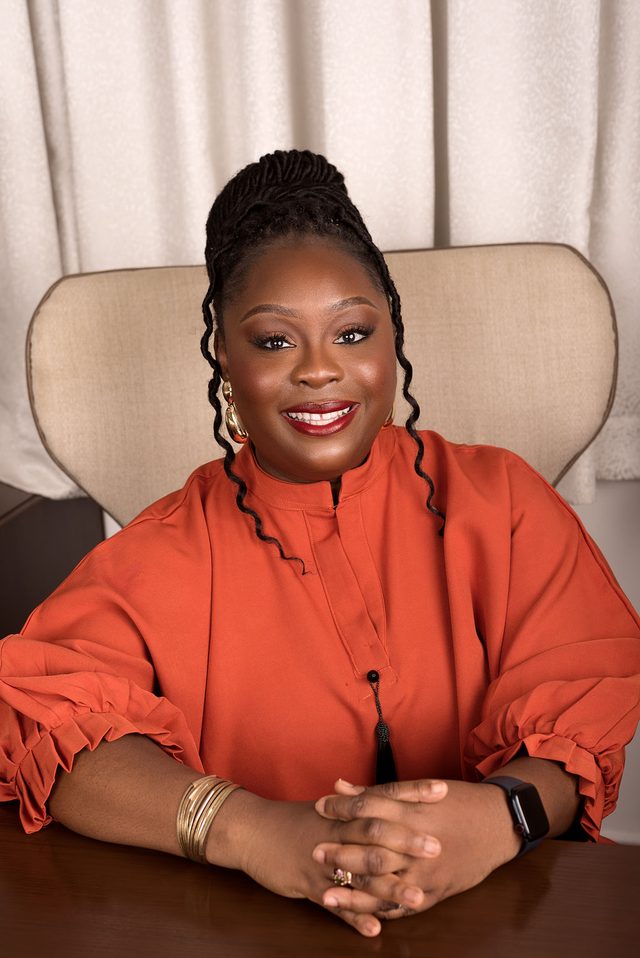
Dr Itunu Johnson
MBBS BSc MRCP MRCGP DFSRH DRCOG

Helping a daughter grow up is about far more than the physical changes of puberty. It is about giving her accurate information, a safe space to ask questions, and the confidence to look after her own body. These conversations can feel awkward, especially if they were never modelled for you, but they are among the most valuable you will ever have. This guide is a warm, practical starting point for parents, and mothers in particular, who want to get them right.
Start early, and keep it open
Rather than one big talk, aim for many small, natural conversations over time. Starting before puberty arrives means your daughter meets each change already understanding what it is. The single most important thing you can offer is a safe space: somewhere free of judgement or embarrassment, where no question is silly and honesty is welcomed. If she trusts you as a reliable source, she is far less likely to rely on inaccurate information online.
Understanding puberty
Puberty is a stage of rapid growth that ends with the body reaching reproductive maturity. It is driven by rising levels of sex hormones, usually beginning between the ages of about 10 and 13, though every child is different and some start earlier or later. Physical changes typically include breast development, which is often the first sign and may begin on one side first, a change in body shape, a growth spurt, skin changes such as acne, new hair growth, and clear vaginal discharge as the vagina keeps itself clean. Alongside these come emotional changes: growing self-awareness, shifts in mood and sleep, and developing interests and identity.
The menstrual cycle and the first period
The first period, called menarche, usually arrives within 2 to 3 years of breast development starting. It can help to explain that the cycle runs from the first day of one period to the first day of the next, and that anything from 21 to 35 days is normal, with early cycles often irregular before settling into a pattern. Reassure her that a first period may be bright red or a red-brown colour, and that both are completely normal. Following ACOG guidance, it is worth seeing a healthcare professional if she has not started her periods by age 15, or shows no signs of puberty by age 13.
Menstrual hygiene made simple
- Change pads every 4 to 8 hours, and tampons every 4 to 8 hours, more often with a heavier flow
- Wash hands before and after using a menstrual product, and clean reusable cups as directed
- Wash the genital area gently from front to back, using only water, as the vagina cleans itself
- Choose breathable cotton underwear and unperfumed products to avoid irritation
- Dispose of products in a bin rather than flushing them
Introduce the range of options too, from pads and tampons to menstrual cups, discs and period underwear, so she can find what feels comfortable for her.
PMS in teenagers
Many girls notice premenstrual symptoms such as mood swings, tender breasts, bloating, cravings, tiredness and skin flare-ups in the days before a period. For some these are mild, for others they interrupt daily life. It helps her to know this is common and manageable. For a fuller explanation, see my guide to period problems, PMS and when to see a GP.
Sexual health and staying safe
As girls grow, honest information helps them make good decisions. Research consistently shows that young people who receive proper sexual health education are more likely to delay sex, to use protection, and to avoid unintended pregnancy. Key messages worth sharing, at an age-appropriate pace, include:
- Consent, respect and the right to say no are the foundation of any relationship
- Condoms are the most important tool for safer sex, protecting against most STIs and unintended pregnancy, though not fully against infections spread by skin contact
- The HPV vaccine offers strong protection against cervical cancer and is most effective given before she becomes sexually active
- Regular STI testing is a normal part of looking after your health once sexually active
When the time is right, my guide to sexual health, STI testing and safer sex can support these conversations.
When to seek medical advice
Encourage her to speak up, and to see a doctor, if she has periods that are extremely heavy or painful, a marked change in flow or cycle, unusual pain or discharge, or no periods by age 15. Normalising the idea of asking for help early is one of the best habits you can pass on.
“When a girl grows up able to talk openly about her body, she grows into a woman who advocates for her own health. That confidence starts at home.”
Dr Itunu Johnson
If you would like support with your daughter’s health, or your own, you can book a consultation or explore my women’s health care.
Medically reviewed by Dr Itunu Johnson, MBBS BSc MRCP MRCGP DFSRH DRCOG.
References & further reading
Ready to speak to an expert?
Personalised, evidence-based care from Dr Itunu Johnson.
Related Articles
Sexual Health, STI Testing and Safer Sex: A Private GP Guide
STIs are common, often silent, and very treatable when caught early. Dr Itunu Johnson explains testing, safer sex and open communication, all through a private GP lens.
Recurrent Miscarriage: Causes, Testing and Finding Support
Recurrent pregnancy loss is more common than many women realise, and it is rarely your fault. Dr Itunu Johnson explains the causes, the tests worth having, and how to find both answers and support.
Black Women and the Menopause Journey: Understanding the Differences
Black women often experience menopause earlier, for longer and with more intense symptoms. Dr Itunu Johnson explains why these differences exist and how to access care that truly fits.